As the core equipment in industrial cooling and air conditioning systems, the operational efficiency and service life of a cooling tower depend not only on its own quality but also on the surrounding environment where it is installed. A well-chosen location ensures cooling efficiency, while an improper placement can lead to performance degradation or even equipment damage. Therefore, understanding the environmental requirements for cooling tower installation is essential.
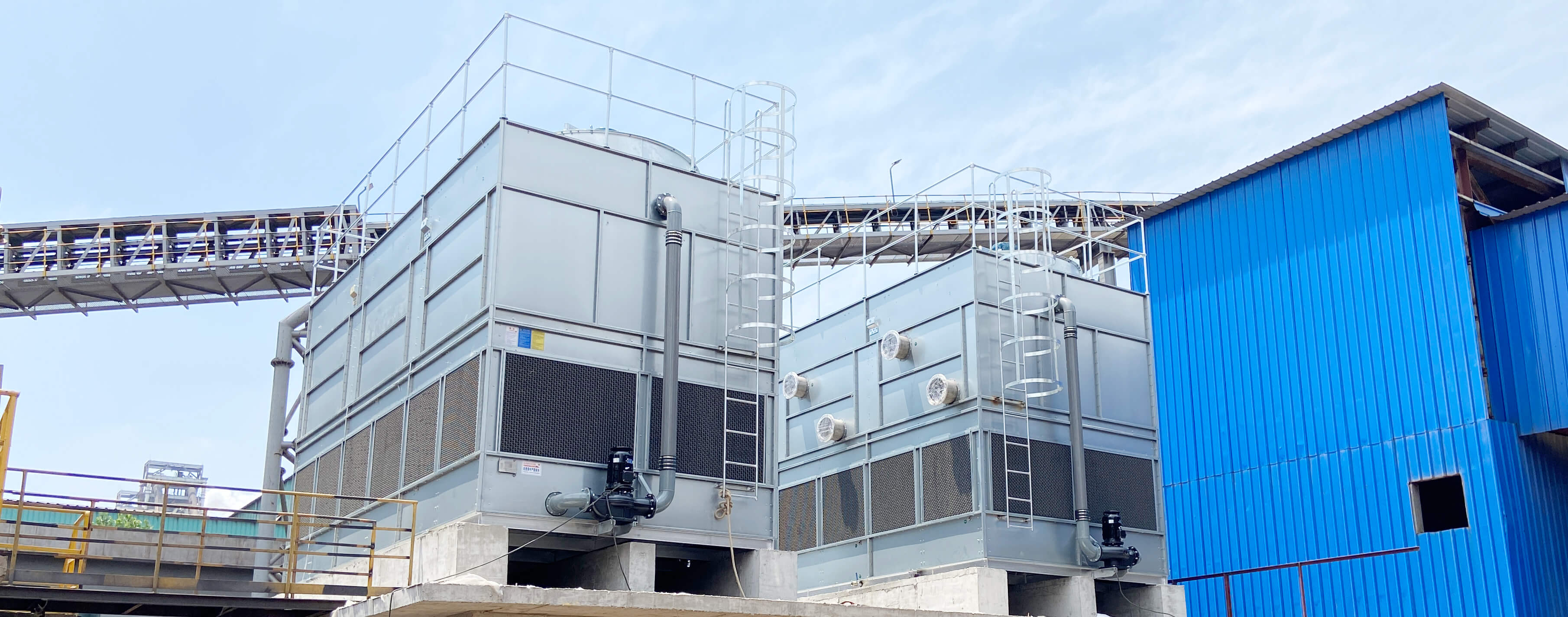
First and foremost, ventilation conditions are the primary consideration for site selection. Closed cooling towers rely on air flow to achieve heat exchange, so they must be installed in open areas with smooth air circulation, avoiding obstructions such as tall buildings, walls, or dense trees. At the same time, it is crucial to prevent hot air recirculation—where discharged moist hot air is drawn back into the air intake—as this can cause a sharp decline in cooling efficiency. To this end, cooling towers should maintain a sufficient distance from any obstacles. Typically, the distance between the air intake side and a wall should be no less than 2 meters, and adequate spacing should also be reserved when multiple units are installed side-by-side.
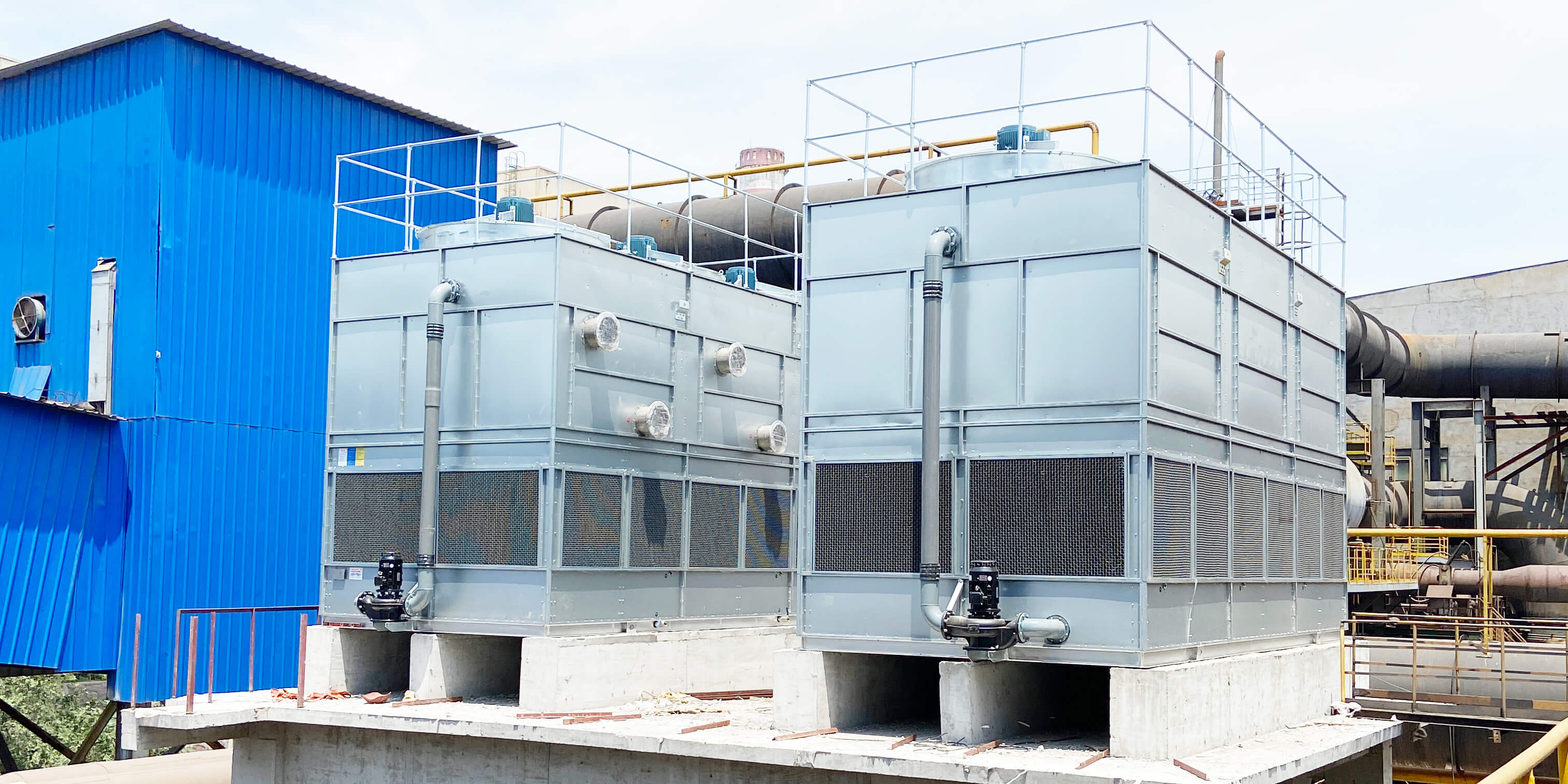
Secondly, ambient air quality directly affects the cleanliness of the cooling system. Cooling towers should be located away from pollution sources such as chimneys, kitchen exhaust vents, or boiler rooms that emit dust, oil fumes, or acidic gases. These contaminants can adhere to the surface of fill materials and coils, forming dirt buildup that reduces heat transfer efficiency. Acidic gases may also corrode the tower structure, shortening its service life. For closed-circuit cooling towers, although the circulating water operates in a closed loop, the external coils are still exposed to corrosion risks.
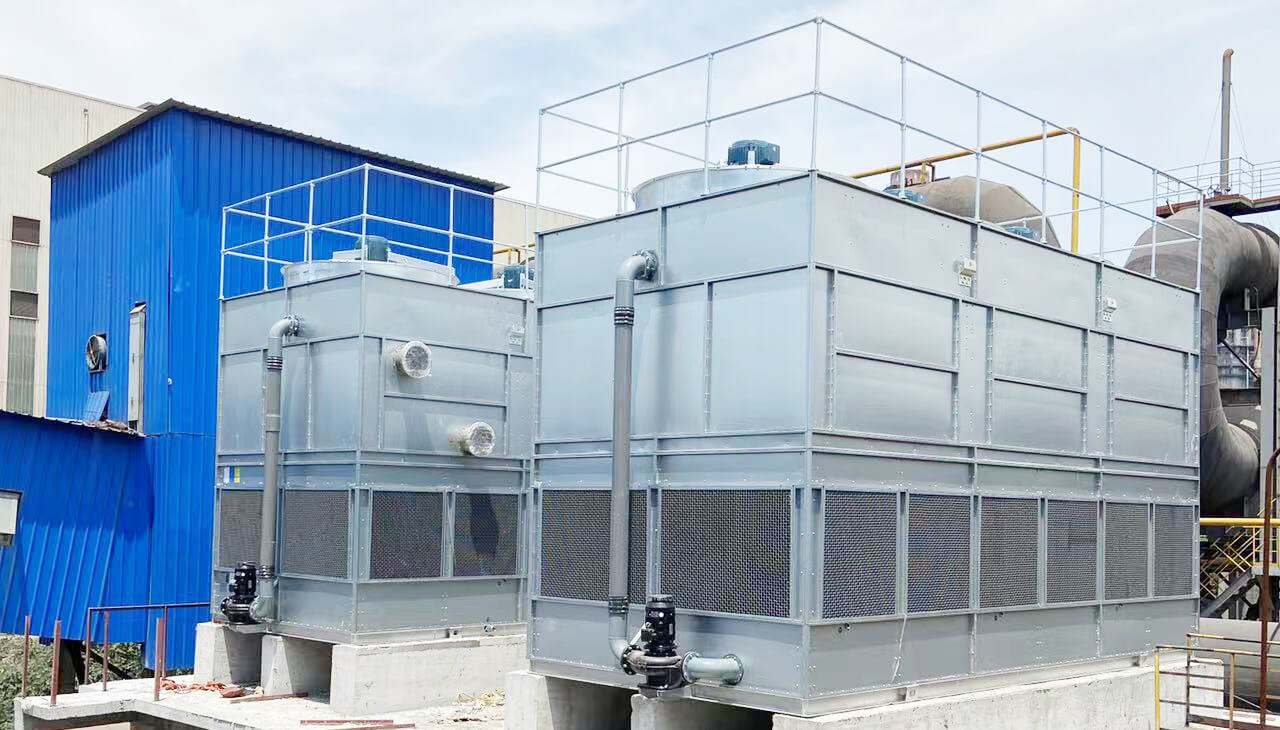
Furthermore, noise control is another environmental requirement that cannot be overlooked. The operation of fans and water pumps generates noise, so the installation site must consider the impact on nearby residential or office areas. If necessary, noise barriers should be installed, or ultra-low noise models should be selected. Additionally, cooling towers should be placed on hardened ground with sufficient load-bearing capacity to ensure a stable foundation, and adequate space should be reserved for maintenance access.
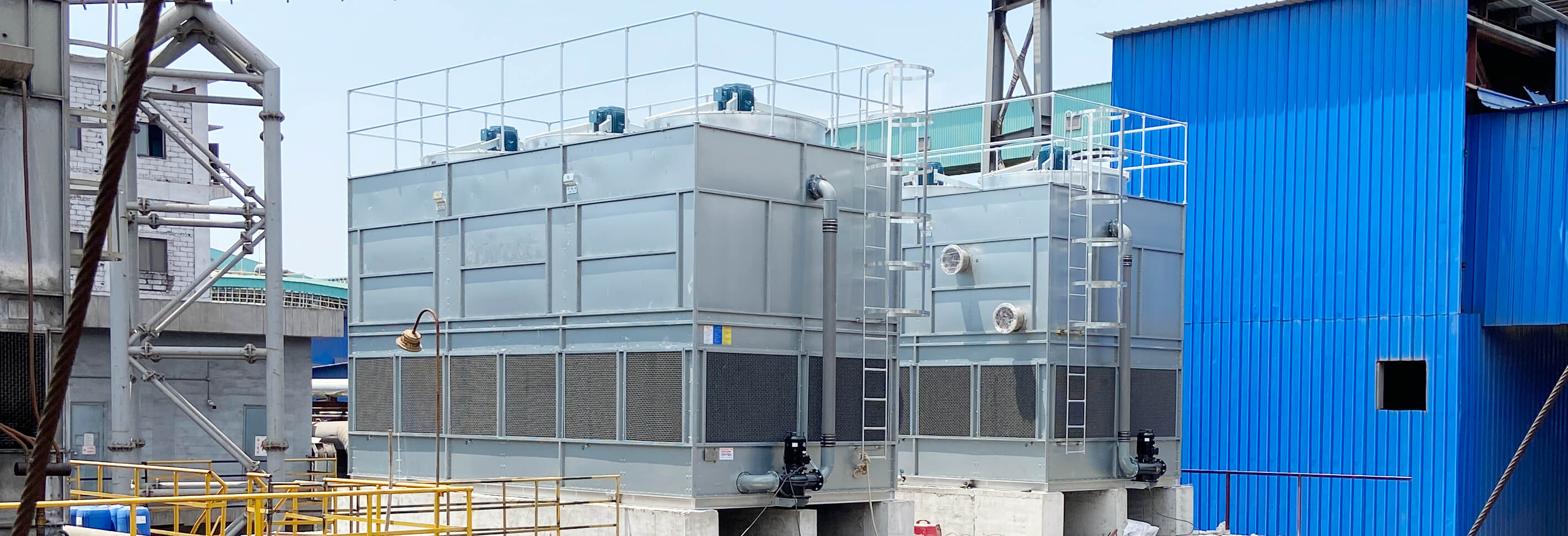
Finally, climatic factors must also be taken into account. In cold regions, cooling towers should avoid locations exposed to strong winds to prevent winter freezing. In areas prone to sandstorms, protective screens can be installed, or the direction of the air intake can be adjusted accordingly.
In conclusion, the installation of cooling towers requires comprehensive consideration of multiple factors, including ventilation conditions, air quality, noise control, structural safety, and climate adaptability. Only by selecting a suitable installation site can we ensure efficient and stable operation of the cooling tower, extend its service life, and minimize its impact on the surrounding environment.


